
















-
09:57 J-99 Paris 2024. La Cité des sciences et de l’industrie (19e) accueillera le Comité olympique canadien, du 27 juillet au 11 août. Entièrement réaménagé pour l’occasion aux couleurs du Canada, cet espace proposera retransmissions de compétitions, conférences, rencontre avec la délégation et les sportifs d'outre-Atlantique.
-
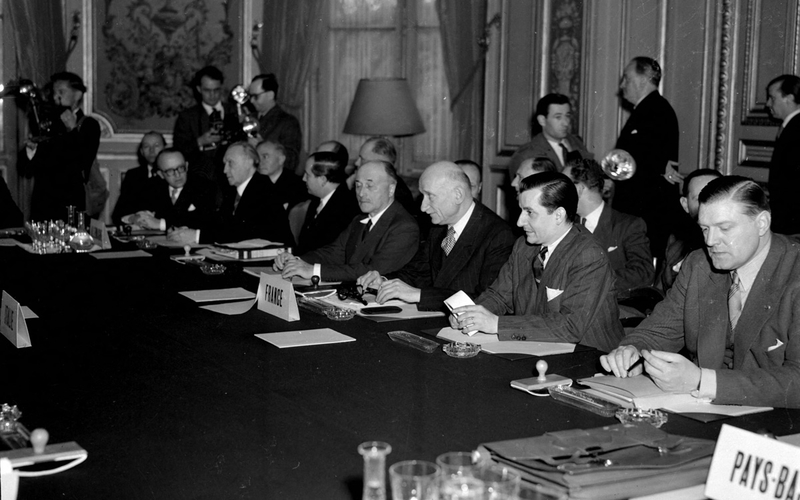
08:00 Le saviez-vous ? Le 18 avril 1951 est signé le traité instituant la Communauté européenne du charbon et de l'acier (CECA). Il organise la mise en commun de la production et la consommation du charbon et de l’acier entre les six pays signataires. Ce traité est considéré comme l'un des actes fondateurs de l'Union européenne.
-
17/04 Une visite très très privée… au Théâtre du Châtelet. Pour cette 5e édition des visites très très privées, la rédaction vous propose de vous glisser dans les coulisses du Théâtre du Châtelet. Comment travaille l’équipe technique qui gère les lumières, les sons et les rideaux de scène ? À quoi ressemblent les espaces réservés aux artistes ? Jouez pour tenter de visiter plateau et coulisses le samedi 27 avril.
-
16/04 Toni Morrison, Doris Lessing ou Hélène Roger-Viollet ? Choisissez le nouveau nom de la bibliothèque Parmentier (11e) ! Votez en ligne avant le 4 mai 2024.
-
16/04 Le saviez-vous ? Le 16 avril 1650, l'institution de l'Oratoire est fondée rue des Charbonniers, sur l'actuelle avenue Denfert-Rochereau. Plus tard, l'institution et son noviciat deviennent l'hôpital Saint-Vincent-de-Paul. Après avoir accueilli les Grands Voisins, le site est maintenant en travaux pour devenir un écoquartier avec des logements et des commerces.
-
15/04 Gestes de premiers secours. Des formations aux gestes qui sauvent d'une durée de deux heures dans les mairies d’arrondissement sont proposées les samedis 27 avril et 4 mai 2024 de 10 h à 17 h 30. Ces sessions sont gratuites, sur inscription, et ouvertes à tous dès l’âge de 10 ans.
-
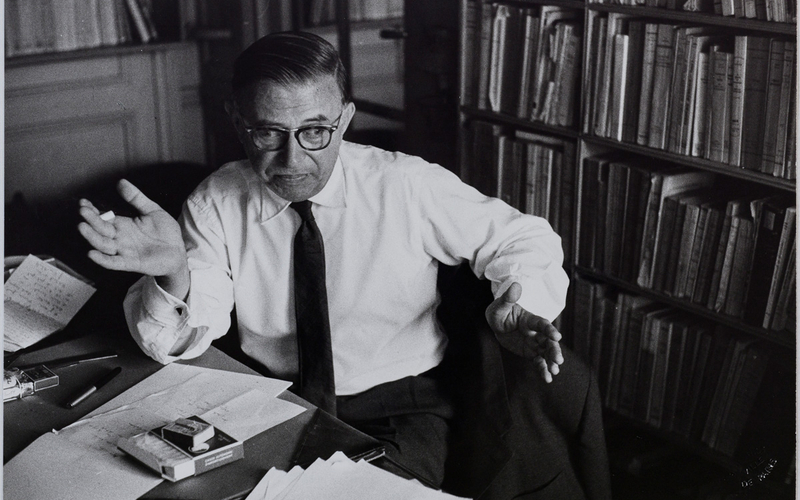
15/04 Le saviez-vous ? Le 15 avril 1980, Jean-Paul Sartre meurt à Paris, où il a résidé toute sa vie. Écrivain et philosophe emblématique du courant existentialiste, Sartre participe activement aux événements de mai 1968. Il partagera jusqu'à sa mort la vie de Simone de Beauvoir, avec qui il formait un célèbre couple de la vie intellectuelle parisienne.
Accès rapides
En bref